
Science Behind Infertility
What is infertility? It is the inability to reproduce and it can affect both male and female due to many reasons. Genes can play a role in the infertility of men and women, but what are genes? Genes are part of the chromosomes that determine different characteristics passed on from the two parents, yet genes can still contribute to disease and/or syndromes. When it comes to determining if genes are causative of infertility, scientists must study the disease further into the chromosomes to determine what particular gene. Before we can get into genes, it is important to understand the way fertility works for both sexes. When a male is fertile, they are able to produce a high sperm count making them fertile once they reach puberty and continue to produce them from then on. On the other hand, women are born with a certain amount of eggs that are released once they are around the age of 12 when they start to menstruate. This means that women have a certain amount of eggs that can become fertilize to get pregnant. So, how do both men and women become infertile? Sometimes we only think about environmental factors, yet there is the need to take a deeper look into the genes that are present since birth to understand how they can affect fertility.



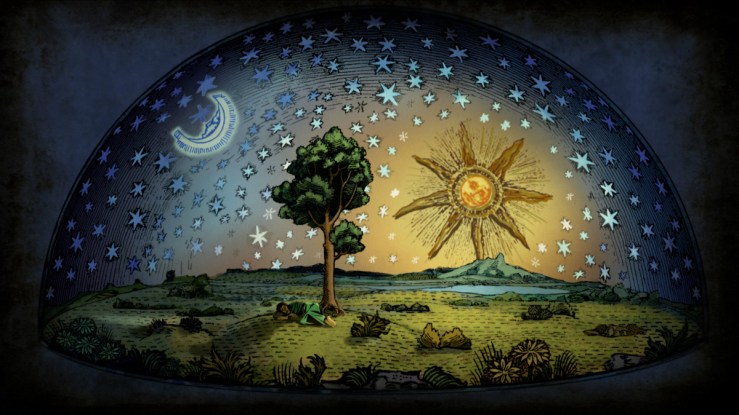 I get caught up thinking about other’s thoughts. It’s not about what others think about me, just what they’re thinking in general. Thinking amazes me. Every body is doing it, yet everyone does so differently. The problem is that it reaches a point of distraction. I get caught up thinking about the world that I lose my sense of placement. I forget that I am currently what exists. I am alive; a part of the present and everything in it, capable of interacting with any body and experiencing what is out there. The trees are amazing, the sun is incredible, and all that surrounds me is beautiful.


 Benign Laughter