100 Acres of Permaculture: An Agroecoystem Project Plan

Biophysical Context:
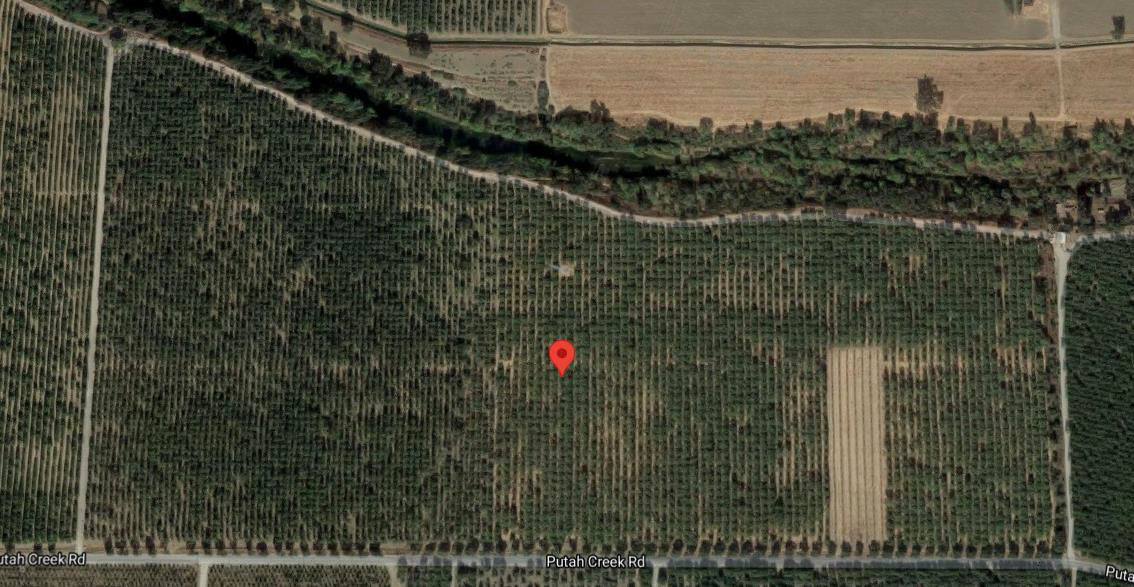
The plot I have chosen is a 100-acre field in a diversified landscape (38.52787, -121.90653). The field is located in Solano County, CA right alongside Putah Creek. Temperatures in Solano County range from a high of 89°F in July and a low of 38°F in January with approximately 14 days when the nighttime low temperature falls below freezing. The average amount of rain is 23 inches in a year and there are zero days of snowfall. The soil is Yolo Loam and comes from an alluvial parent material, meaning the soil is well drained with slow to medium runoff and natural high fertility. This land is optimum for intensive row, field and orchard crops with native vegetation consisting of annual grasses, forbs, and oaks. The surrounding area is full of diversified farming landscapes with orchards and other managed forested areas. The presence of Putah Creek creates a riparian zone along the Northern edge of the field allowing for water and nutrients to seep into the soil.


Cropping System and Management Practices:
For my 100-acre field in a diversified landscape, I am planning on creating a permaculture system consisting of a riparian forest buffer along the creek, a ground-water fed aquaculture system and an intercropped vegetative crop system. Since my plot is located in a riparian zone along the creek, I want to create a buffer to help in sustaining water quality as well as increasing soil stability. This forest buffer will also provide a foundation for my mushroom cultivation operation as I can use both saprobes such as Lion’s Mane as well as ground covering mushrooms which can increase farm profitability. This agroforestry technique also helps to create a cooler microclimate to mitigate the heat from the hot summers in the area. My proximity to the creek also allows me to create a groundwater fed pond which will form the basis of my aquaculture system. This system will help to increase biodiversity as well as helping to diversify my products by including fish and fish byproducts as well as other aquatic species. In the remaining section I will implement an intercropped vegetative crop system which will differ depending on season and rotation.
Continue reading “100 Acres of Permaculture: An Agroecoystem Project Plan”

The Importance of Integrated Pest Management

thomas-jarrand-dFxgFnvwp6A-unsplash

When you look at the state of our environment it’s clear that things are going to have to change, though it’s not clear whether it’ll be voluntarily or out of necessity. What will help define that answer will be the actions that we decide to take as a society. One thing we can do to help our situation will be to incorporate Integrated Pest Management into our practices, whether in gardening or in agriculture, so that the techniques and education around it can become widespread. It’s going to take an effort on all our behalves because it won’t be easy due to the various factors in play that could interfere with the adoption of IPM.

One said factor is the belief that many farmers have that “the only good bug is a dead bug.” At its core, this statement goes against everything that IPM stands for. Integrated Pest Management is all about seeing nature as an ecosystem rather than just a tool for our survival. It requires an understanding of how plants interact with their environment and how that relationship can be affected and have negative or positive consequences. It requires monitoring in order to understand the ecosystem that you are interacting with, as everyone has different factors that will affect it. The soil is different, the climate is different, and therefore the plants and animals that thrive in that environment are different. For this reason, the type of management for pests will be different, which requires a lot of monitoring in order to understand the proper approach for each individual circumstance. First and foremost, this means those farmers who believe that there are no good bugs will have to go through a perspective change. Maybe equally as difficult, they will have to invest in education and experimentation in order to get an understanding of how to incorporate IPM into their agricultural practices. Unfortunately, not everyone has the luxury or the resources to invest in either of those two. For some farmers, experimentation can lead to an unsuccessful season, which could mean the loss of their farm. Agriculture is a cutthroat business, and ironically, those who help feed our society many times don’t have enough to feed their own families.

Continue reading “The Importance of Integrated Pest Management”

Sustainability: Rethinking Our Connection With Nature and How We Go About Affecting It

It is crucial that we incorporate sustainability into our societies to ensure that we can continue to develop and thrive without creating extensive harm, both to the planet and to our communities. Yet, sustainability continues to be something that is not fully understood by many and ends up falling in line with being a trend rather than an entire mindset change. To create a lasting impact, there not only needs to be action taken by companies and citizens alike, but there also needs to be education put in place that allows the citizens to truly understand what it means to be sustainable, and what actions will actually have an impact versus which are being done simply as a means to appear more “eco-friendly”.

The idea of sustainability that we most often refer to is the “avoidance of the depletion of natural resources in order to maintain an ecological balance.” In other words, the focus is on how we can minimize the amount of resources we consume or the amount of damage that we produce so as to not interfere with the viability of future generations. This has caused us to focus more on reduction, especially of greenhouse gasses and carbon emissions, yet this emphasis has also provided companies, as well as citizens, with the ability to mitigate their responsibility thanks to carbon offsets. Carbon offsets are meant to be a way of neutralizing your carbon footprint by allowing you to fund environment-oriented projects that are focused on reducing greenhouse gasses, protecting forests, promoting renewable energy, and many more. The problem is that now you don’t necessarily have to reduce any of your own carbon footprint or live a more sustainable lifestyle whatsoever as long as you purchase enough carbon offsets to make you seem more “eco-friendly”, because the reality is that they haven’t been proven to make much of a difference when it comes to climate change, and many carbon offsets have been found to be scams. Continue reading “Sustainability: Rethinking Our Connection With Nature and How We Go About Affecting It”

The Crop That Changed The World

In honor of Industrial Hemp being legalized in California, we shed a light on the story behind this beautiful crop.

Industrial hemp is a crop that has the potential to lower the environmental impacts of textile production, empower small-scale farmers and create jobs in a wide variety of industries. Two non-profit groups, Fibershed and The Growing Warriors Project, are working to reintroduce industrial hemp into Kentucky—and eventually U.S. agriculture. Dan Malloy and a small film crew from Patagonia, paid a visit to farmer and military veteran Michael Lewis to see how it was going.